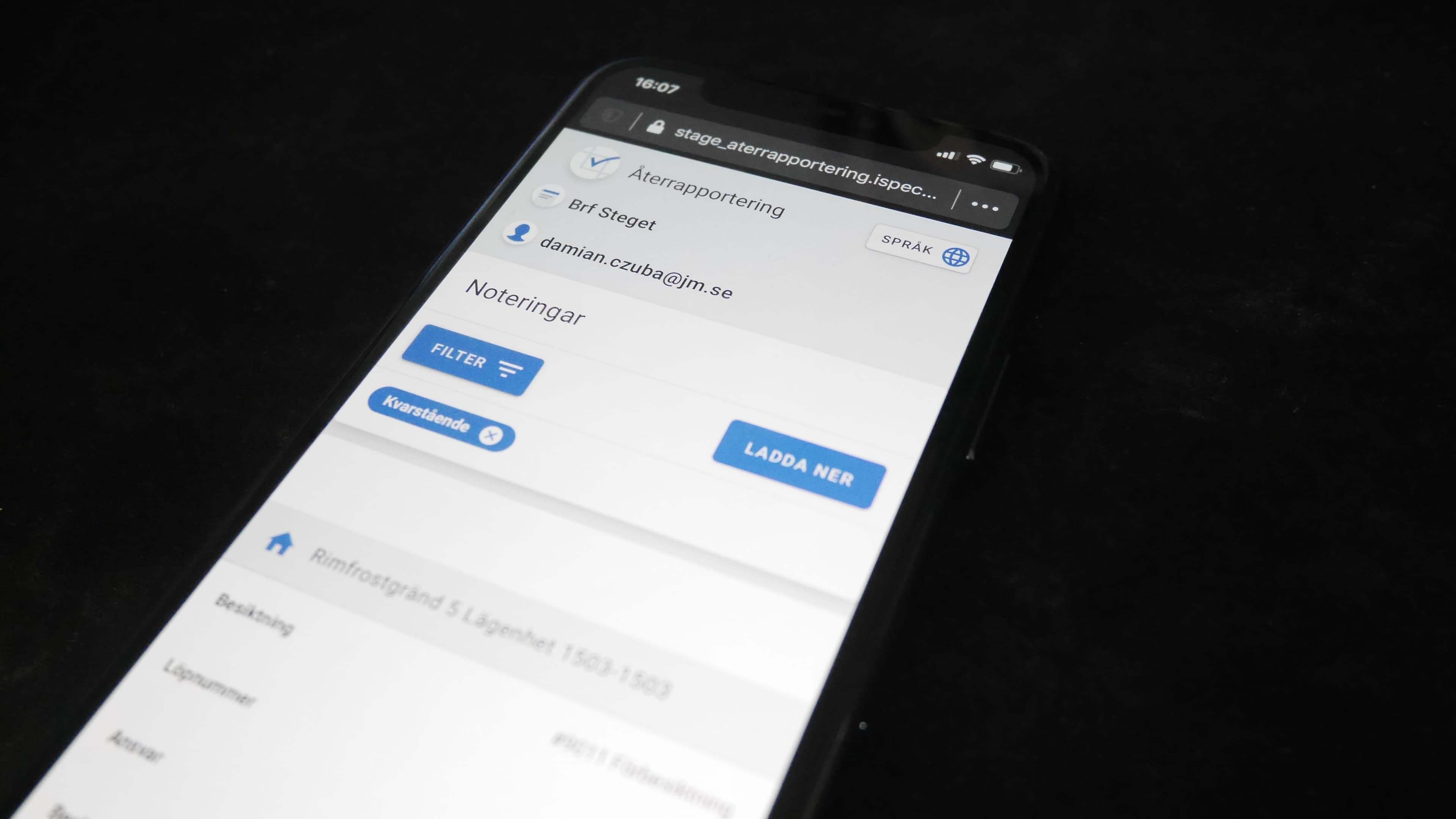
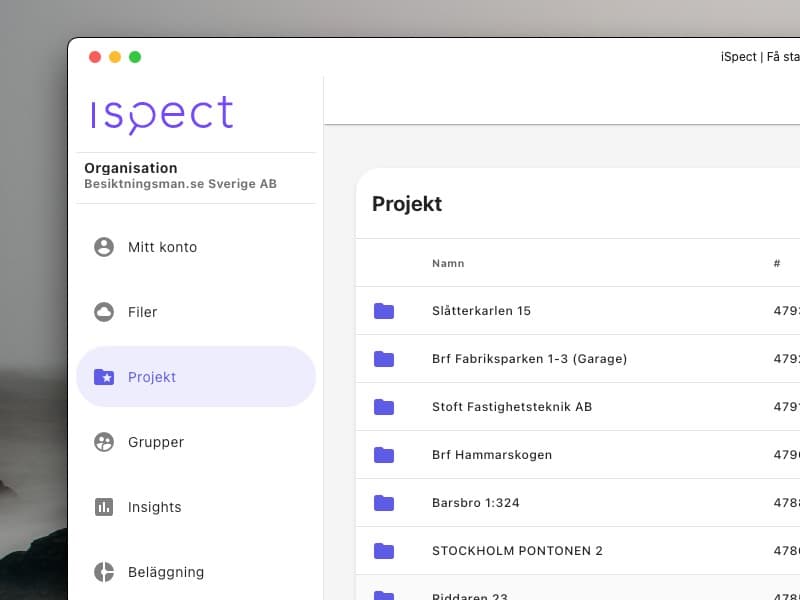
The product behind the interface

Most people meet iSpect through the interface. The 2026 work goes deeper: keep the field workflows inspectors depend on, replace the brittle parts underneath, and make the whole product clear enough to keep designing.

There is a good chance this looks like a redesign. It is, but not only that. iSpect has years of real inspection work baked into a .NET API, Couchbase, Sync Gateway, and a native iOS app. The job is to preserve that knowledge without staying trapped in the old system.

The new shape is simple: old stack as data donor, Supabase as product brain, Next.js for the portal, React Native for mobile. I move in small agentic loops: study a legacy flow, migrate it, prove parity, cut the dead path.

Main takeaways

  • The real design work is reducing hidden product complexity, not decorating screens.
  • The rebuild keeps field workflows intact while making the system easier to understand and change.
  • AI agents help because the work is sliced and verified. They amplify judgment; they do not replace it.
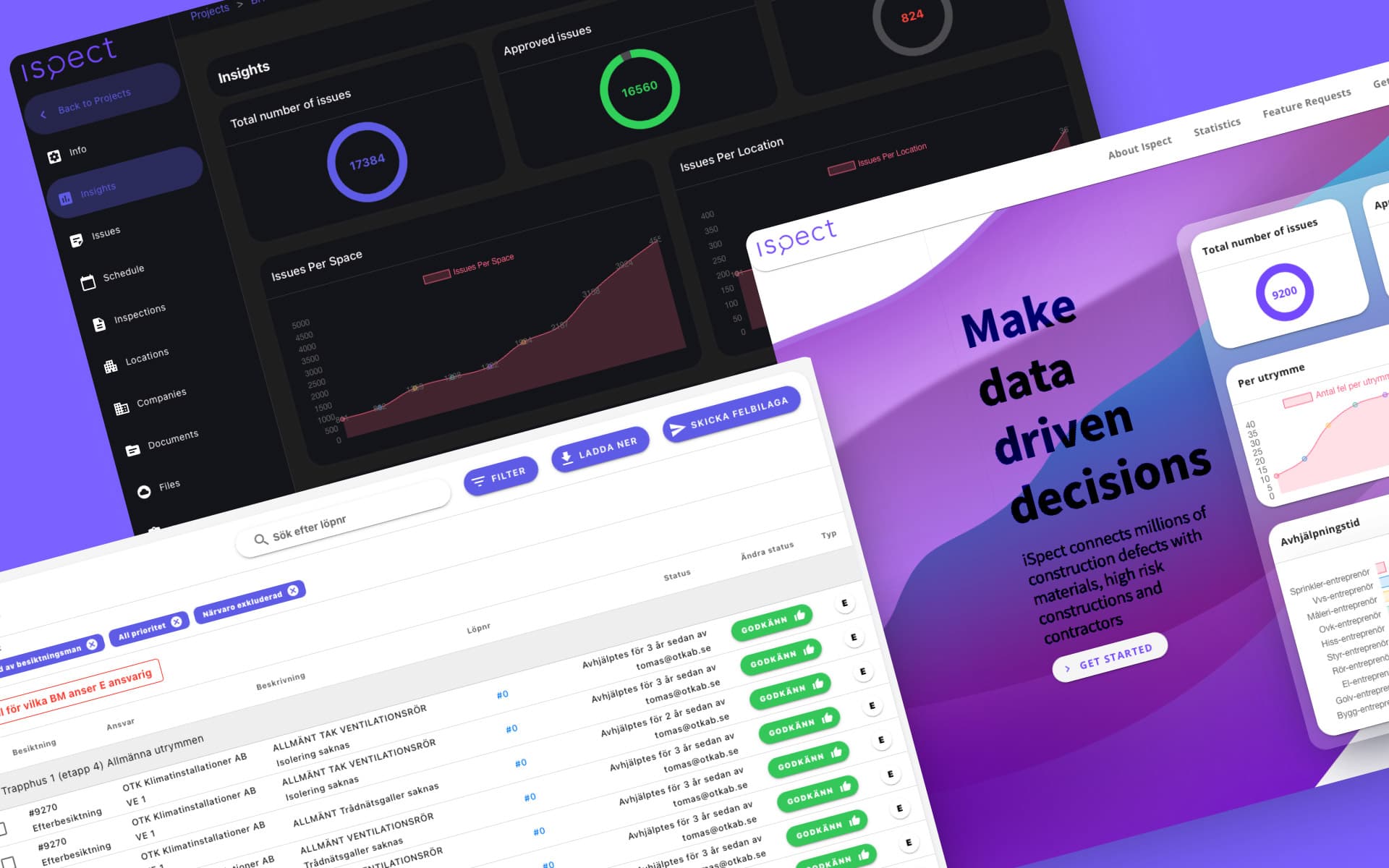
New landing header animation direction

Vue 2 / Vuetify → streamlined UI (2023)

Highlights from refactoring the app from Vue 2 / Vuetify 2 toward Vue 2.7 (Vue 3 was the plan; time said otherwise) with Tailwind CSS. Vuetify stayed for complex tables, but its styles were stripped — effectively headless.

Goal: modernize the design, reduce jank, improve performance, and show less information so the experience feels more automatic. Many pages look similar; this is a distilled set.

Gallery

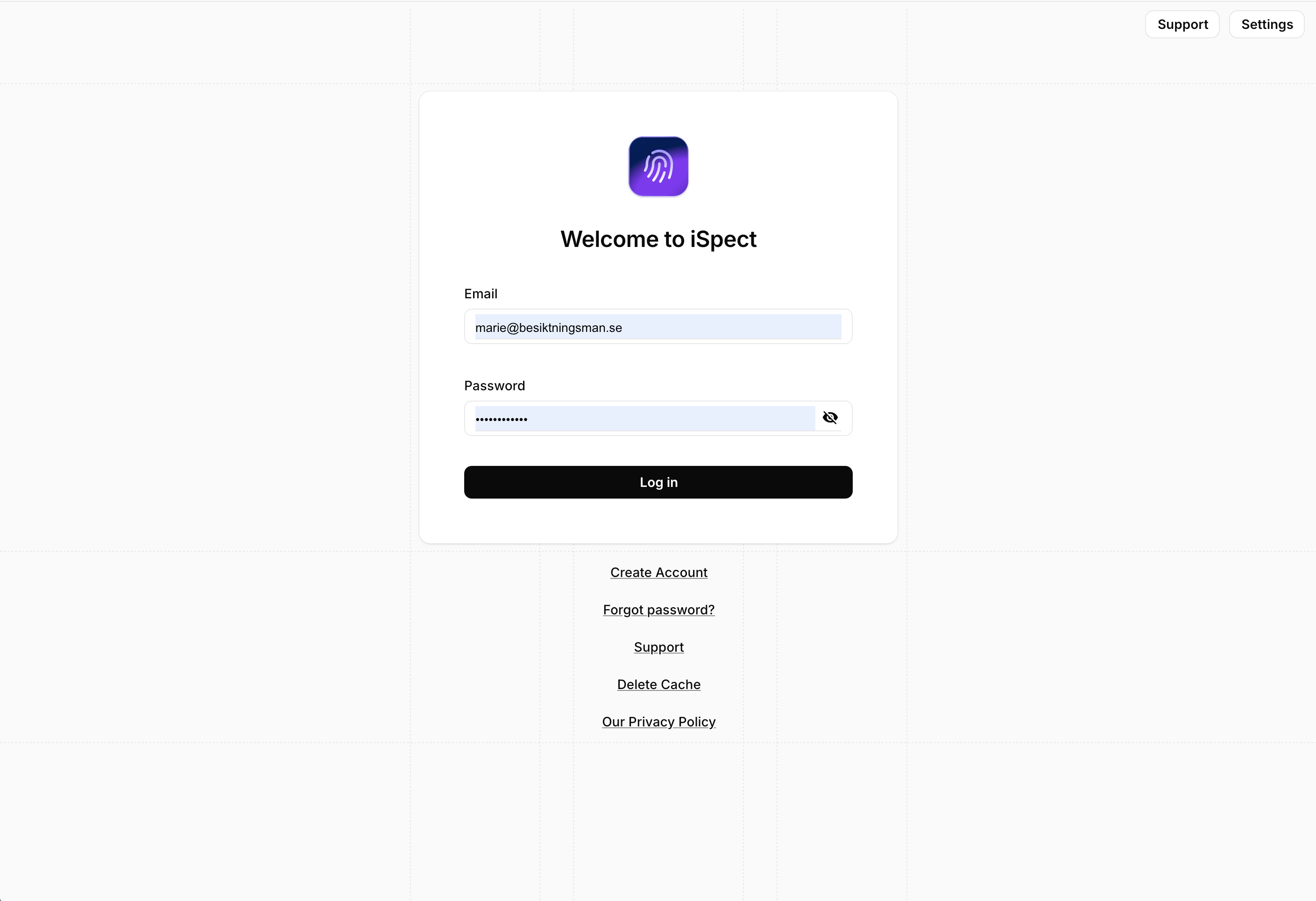
  • iSpect login view 2023
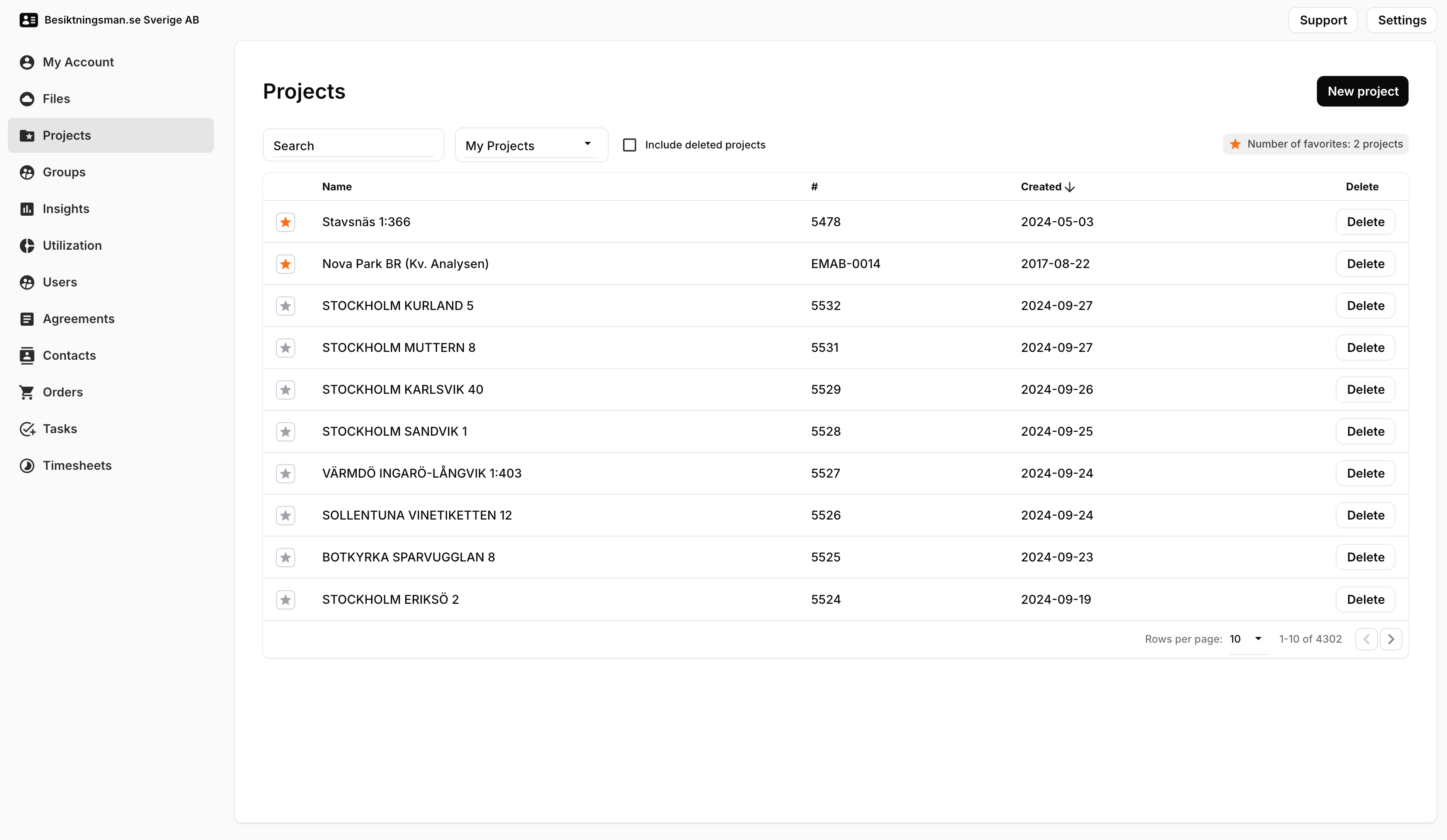
  • iSpect projects view 2023
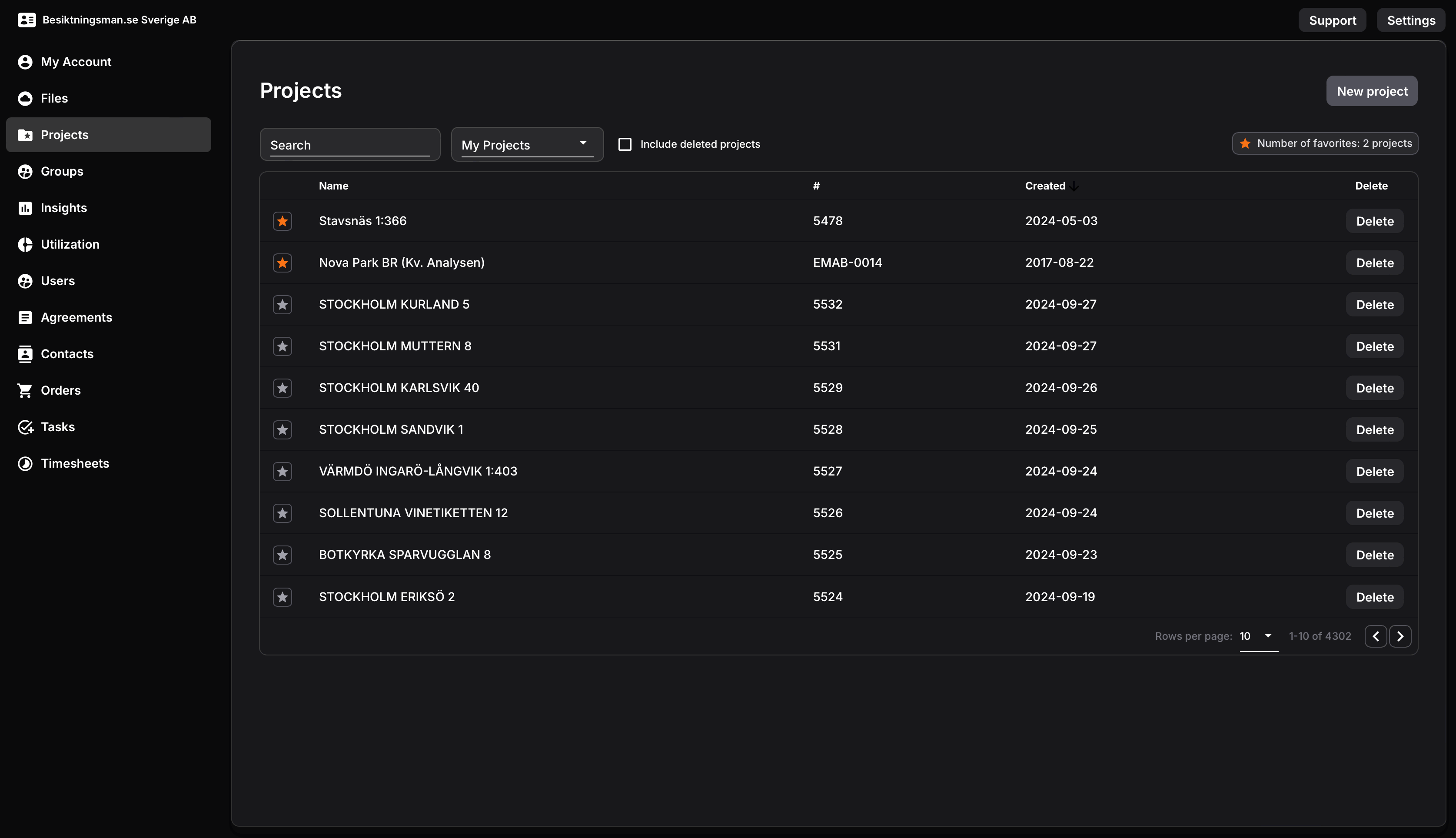
  • iSpect projects view 2023 (dark mode)
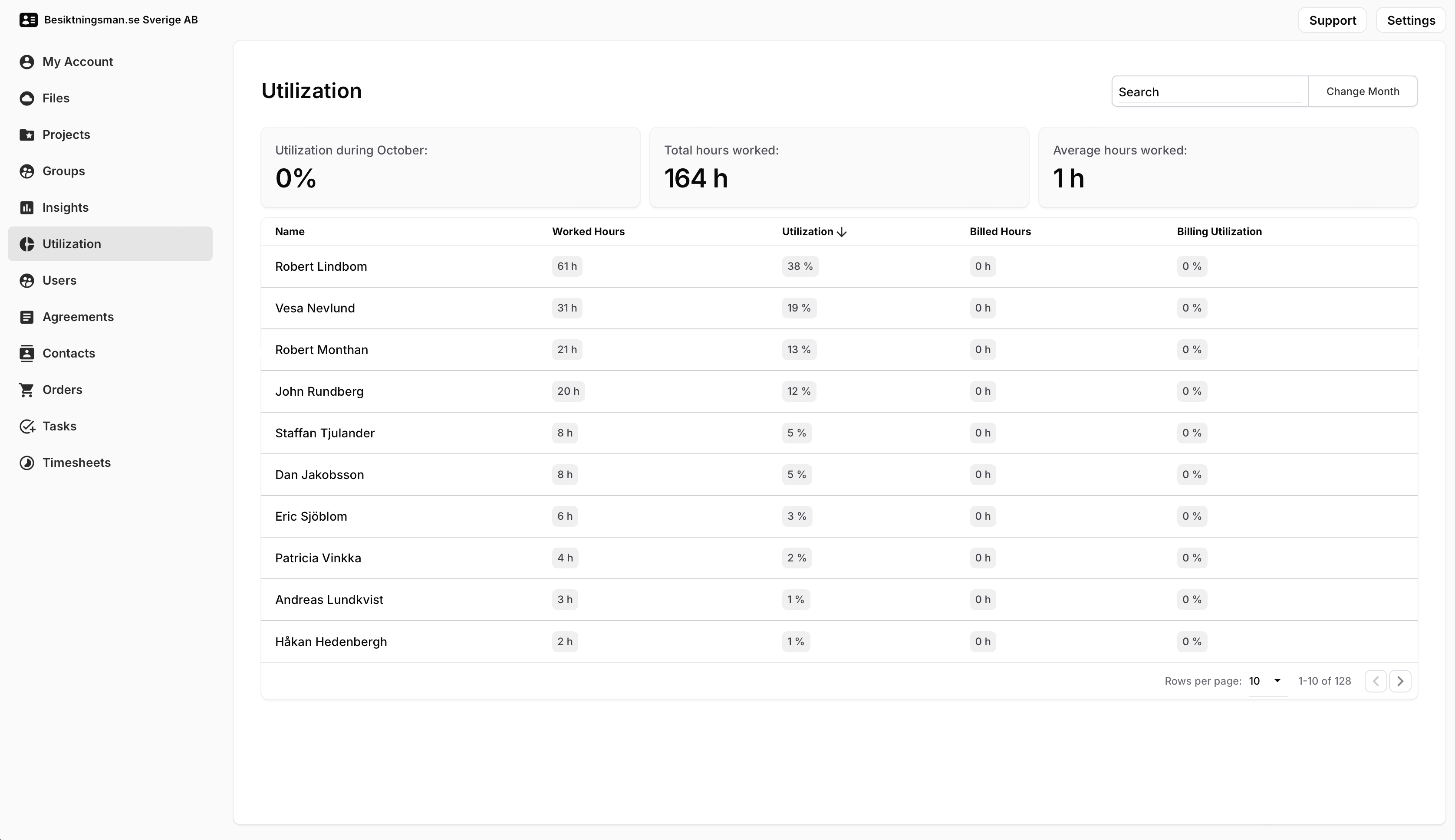
  • iSpect utilization view 2023
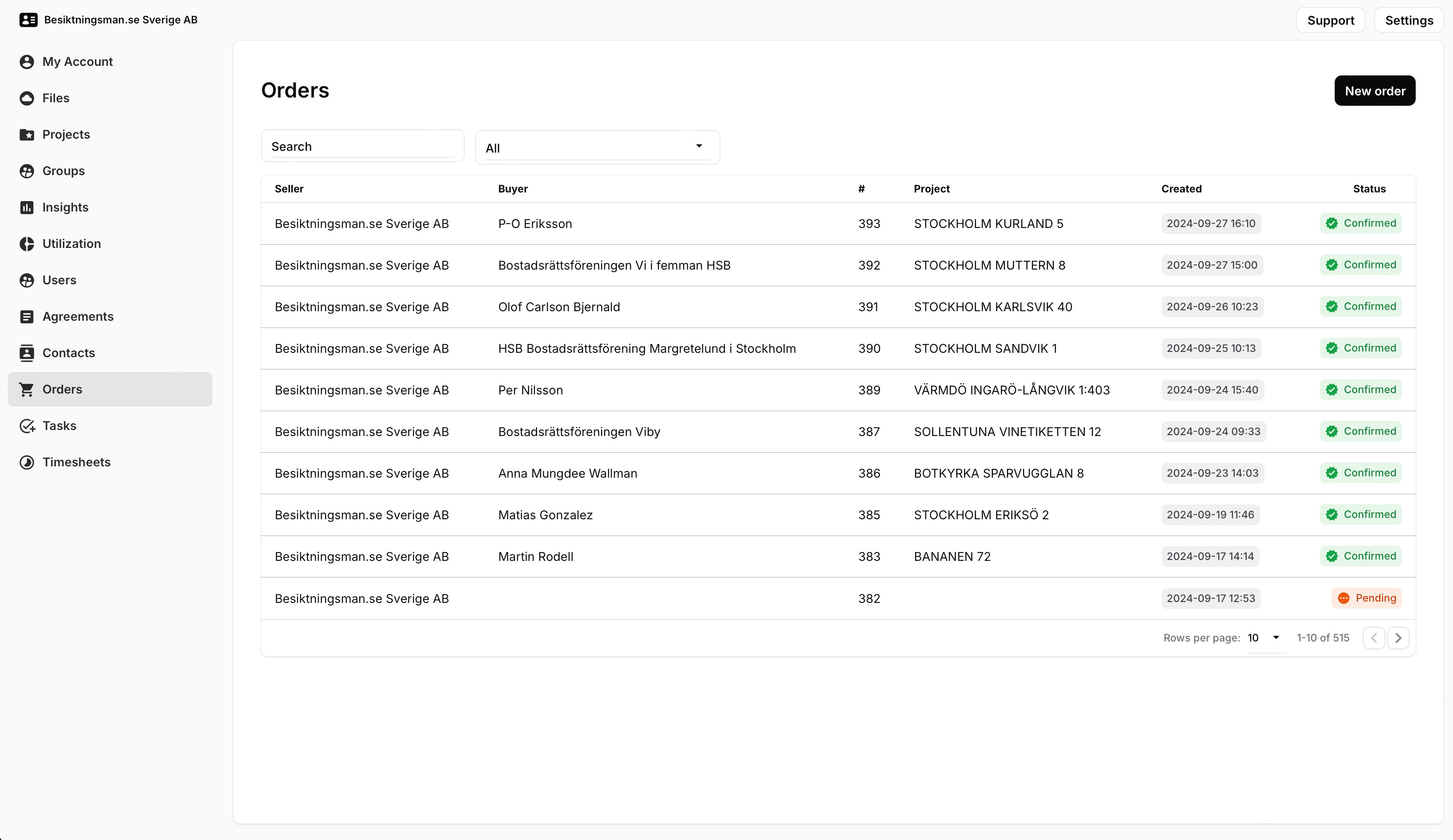
  • iSpect orders view 2023
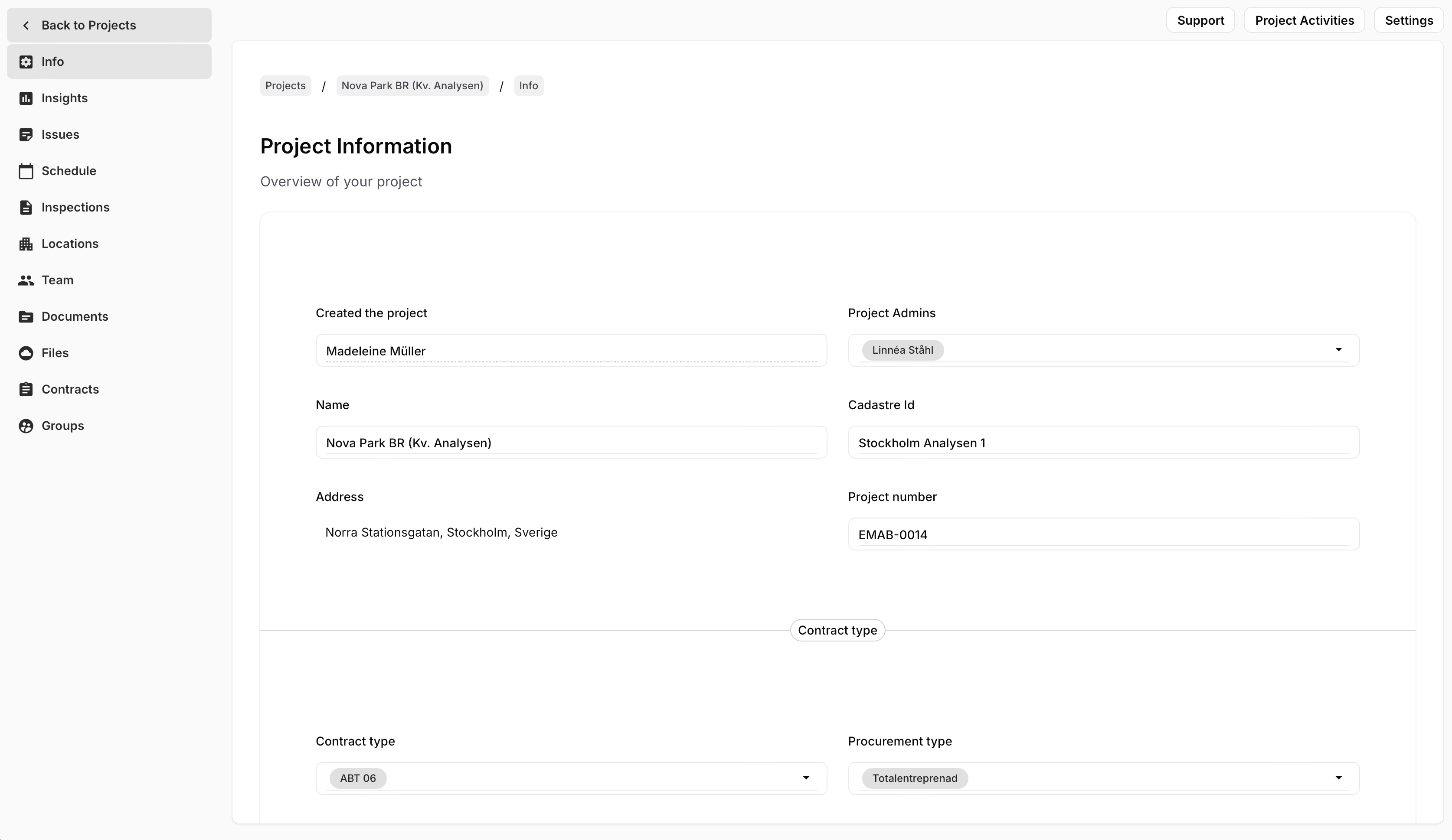
  • iSpect project info view 2023
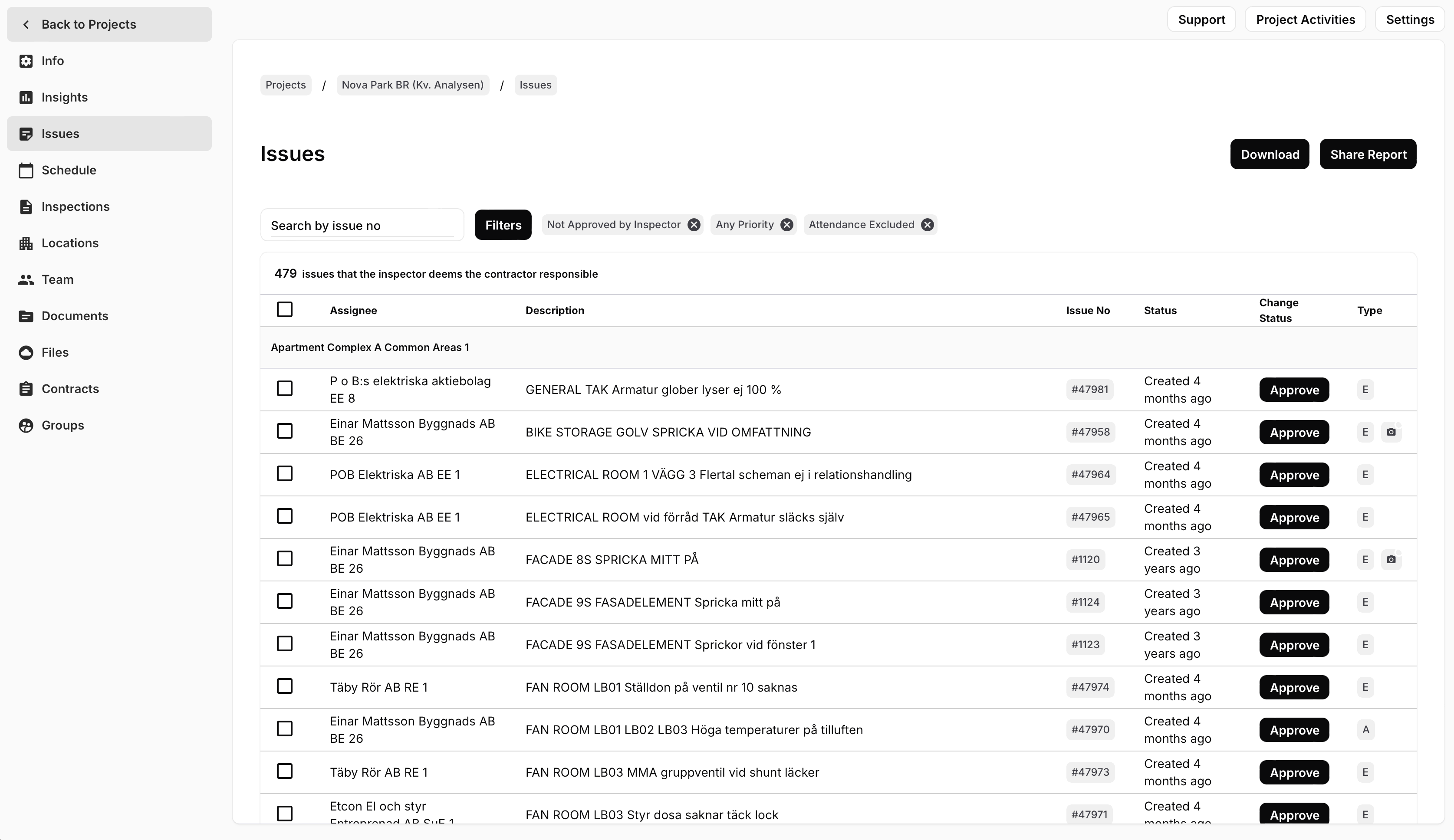
  • iSpect issues view 2023
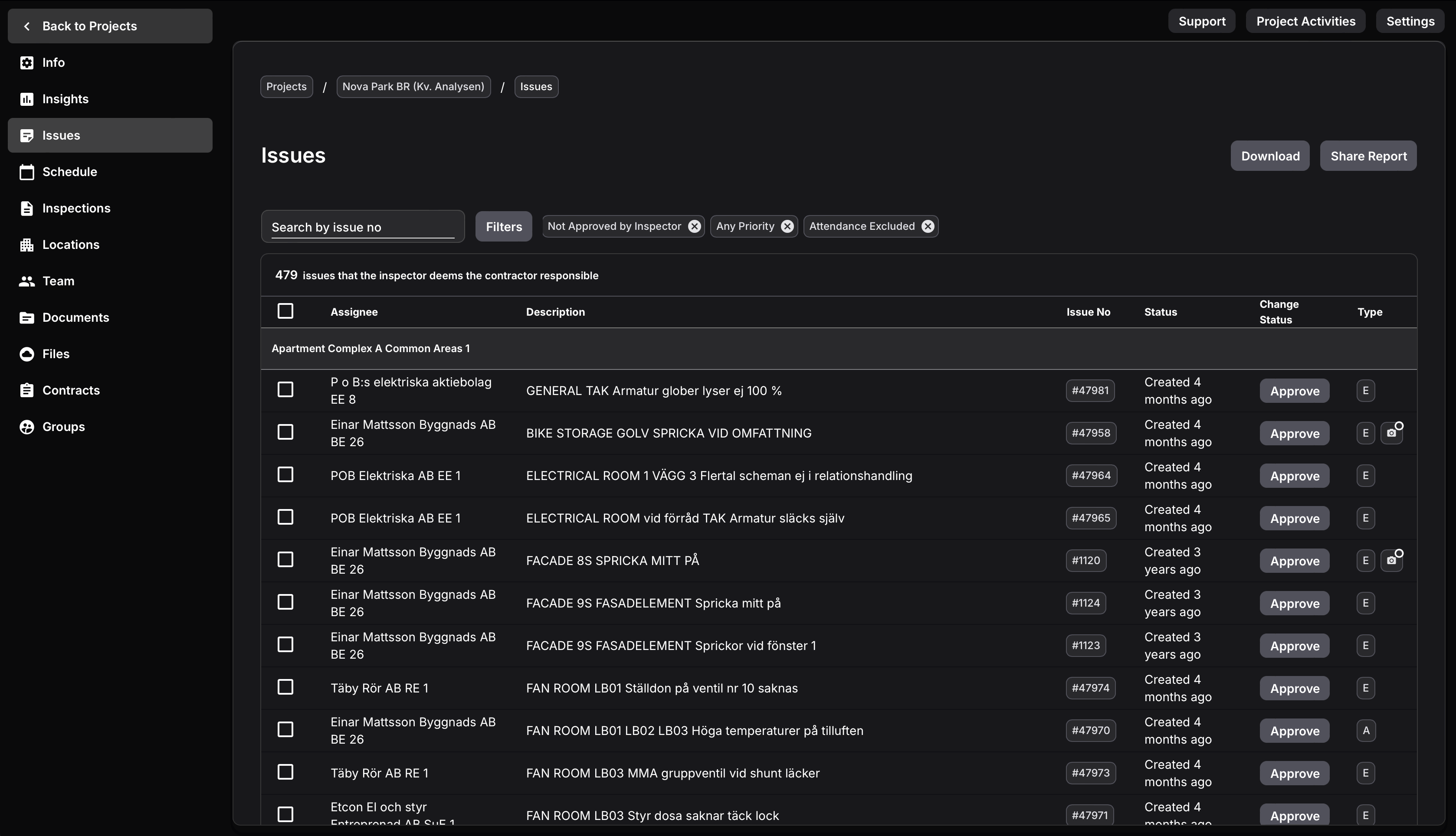
  • iSpect issues view 2023 (dark mode)
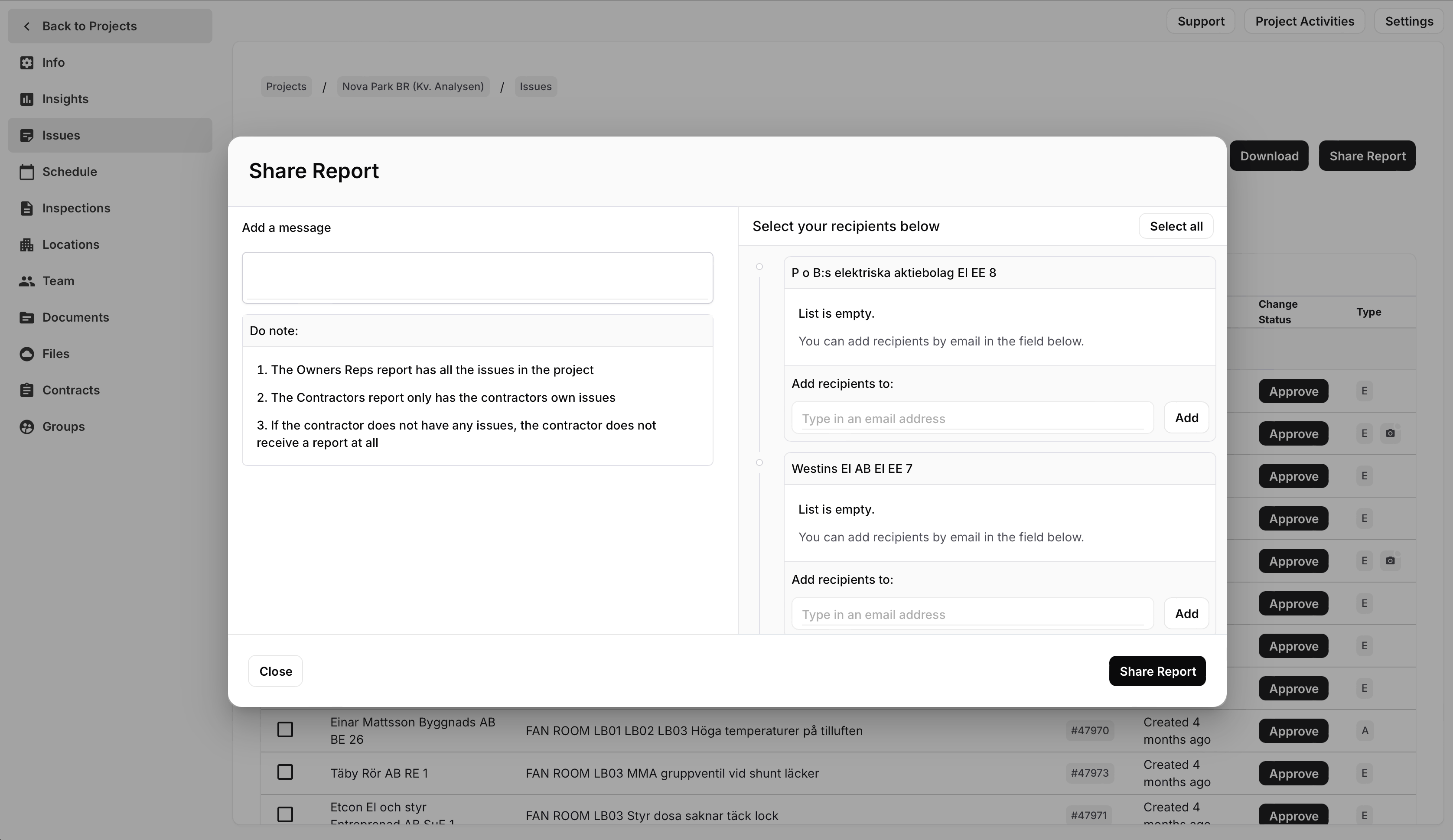
  • iSpect share report modal 2023
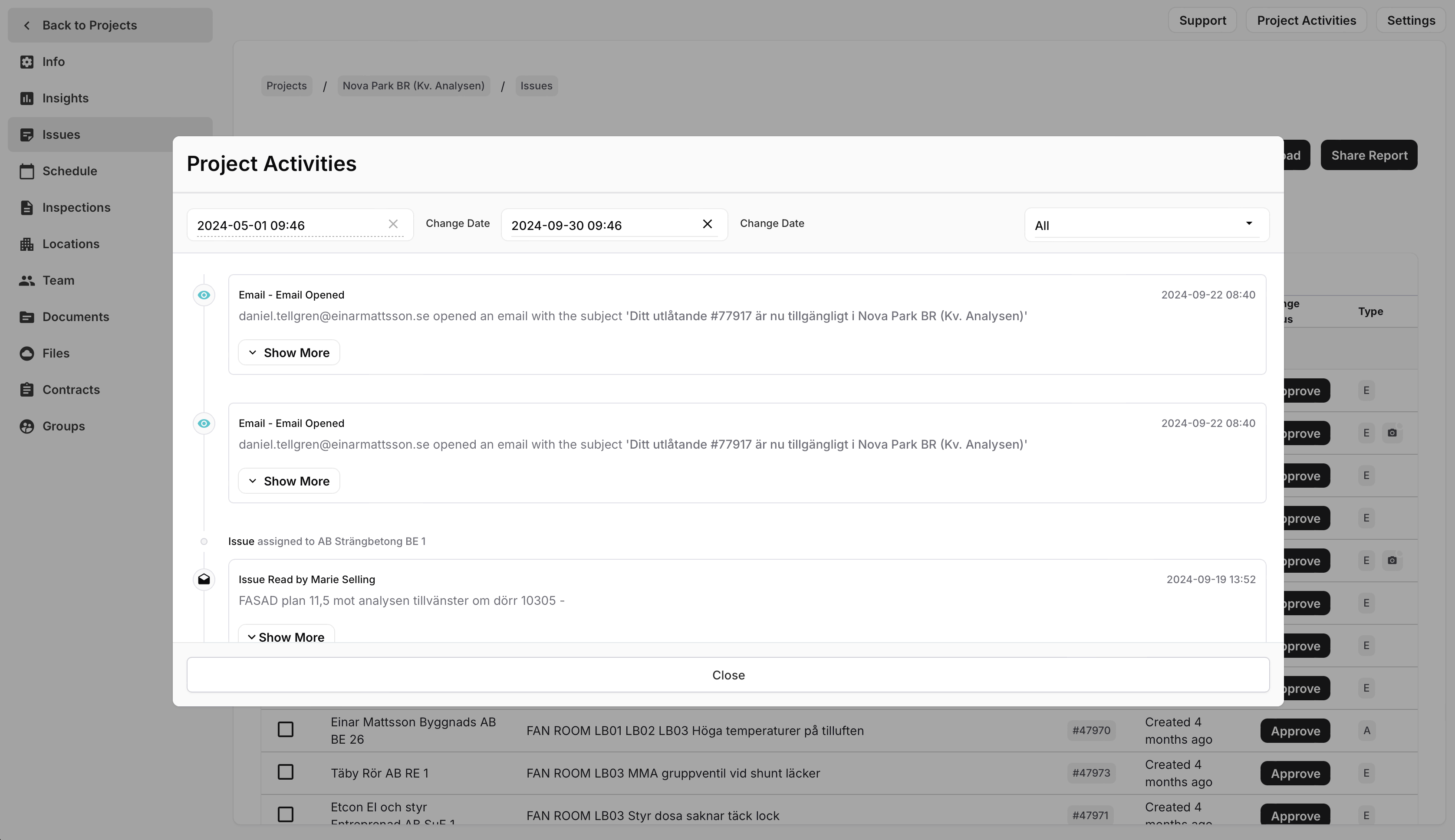
  • iSpect project activity modal 2023
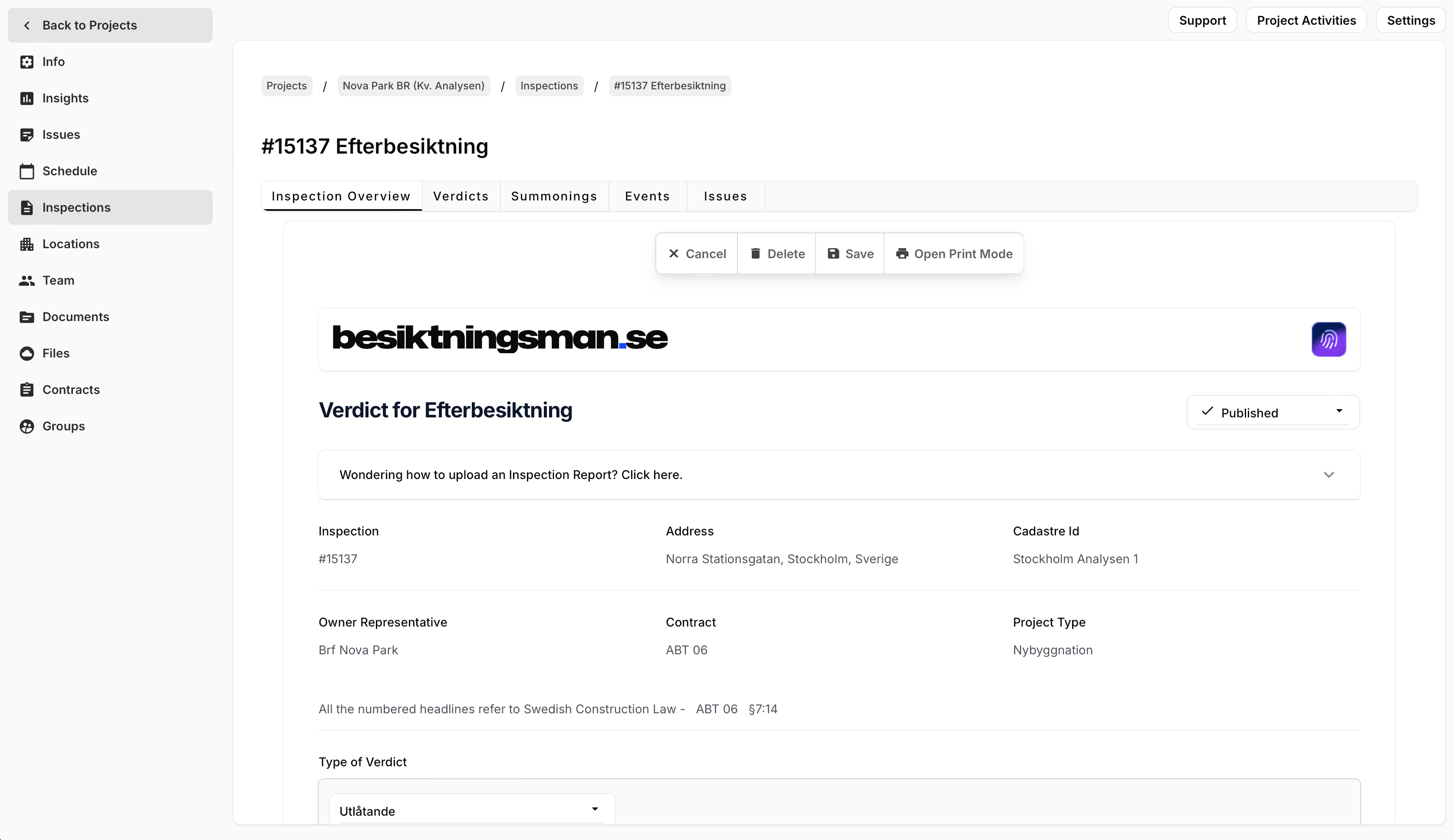
  • iSpect verdict editor view 2023

The original pitch and beta launch (2020)

Make informed decisions during procurement with real-time data

  • Winner of Swedish Construction Innovation grant for three consecutive years 2012–2015 ($180k total)
  • Swedish Construction Innovation of the year 2014
  • Swedish IT Project of the year 2013
iSpect web interface
iSpect dashboard and landing page from 2020
iSpect closeout 2020
Closeout (2020 beta - later merged into the dashboard) — aimed at subcontractors to see assigned issues and remedy them

Why?

iSpect exists to create transparency in construction — through data and statistics, and through clear communication between contractors, sub-contractors, stakeholders and clients (you and I buying a home).

How?

With over a decade of industry statistics, the web platform lets contractors and sub-contractors see project health: issue counts over time and average completion time, in real time. See who is performing well before negotiating contracts.

Features

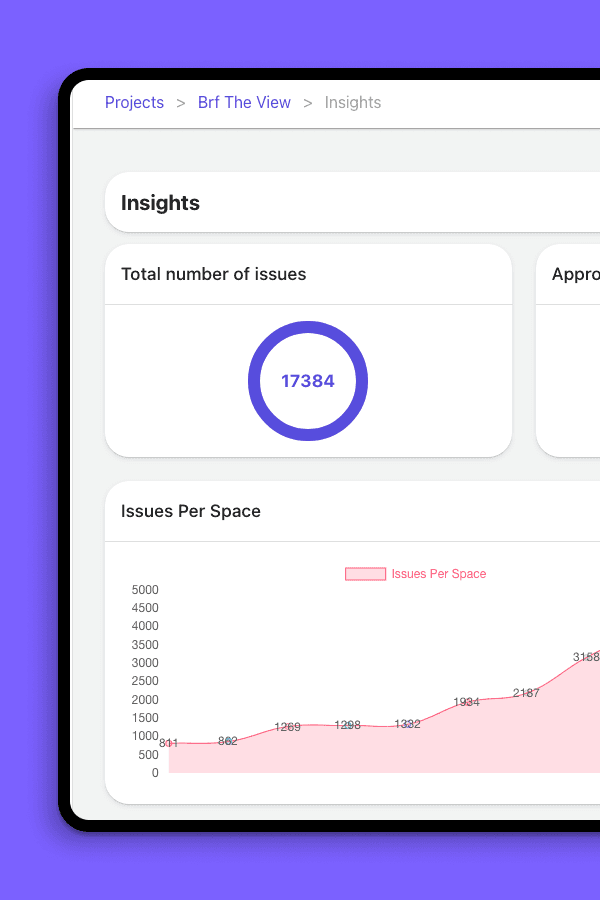
Total project issues
A completed Stockholm project — total issues across the build
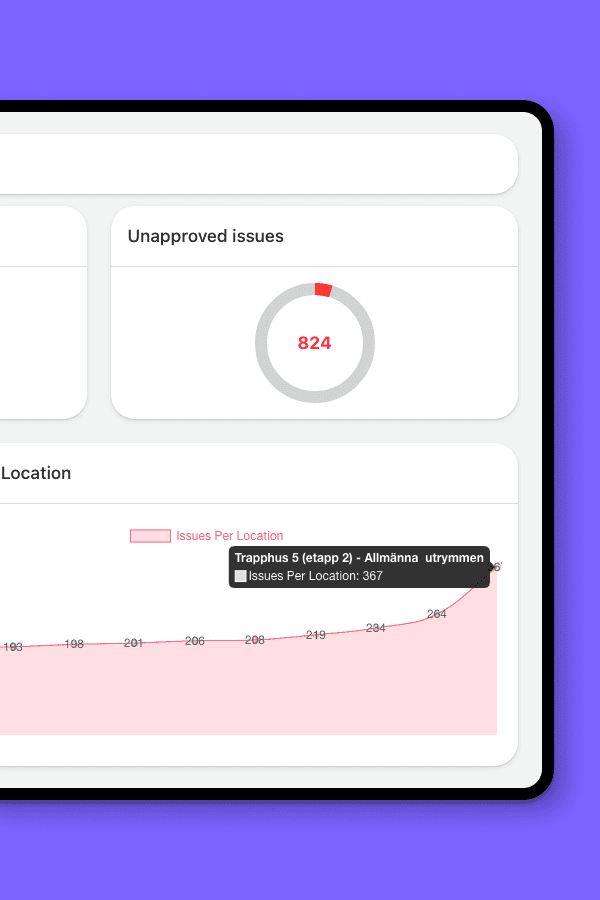
Issues by location
Areas that need the most attention
Loom — categories deep dive (titles in Swedish)
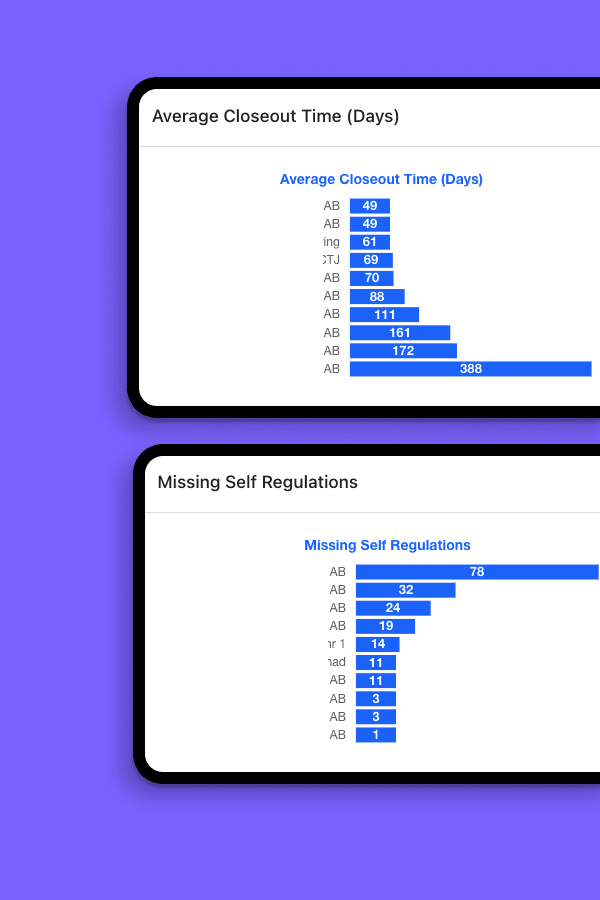
Average time to remedy issues
Average remedy time per sub-contractor, including self-regulation reporting

Identity that had to travel

The brand first took shape in 2012 and evolved many times into a minimal logotype built around the search icon. As iSpect grew beyond the app, the identity had to work across people, product, and surfaces.

Gallery

  • iSpect logotype
    Logotype with the search mark used since the beginning
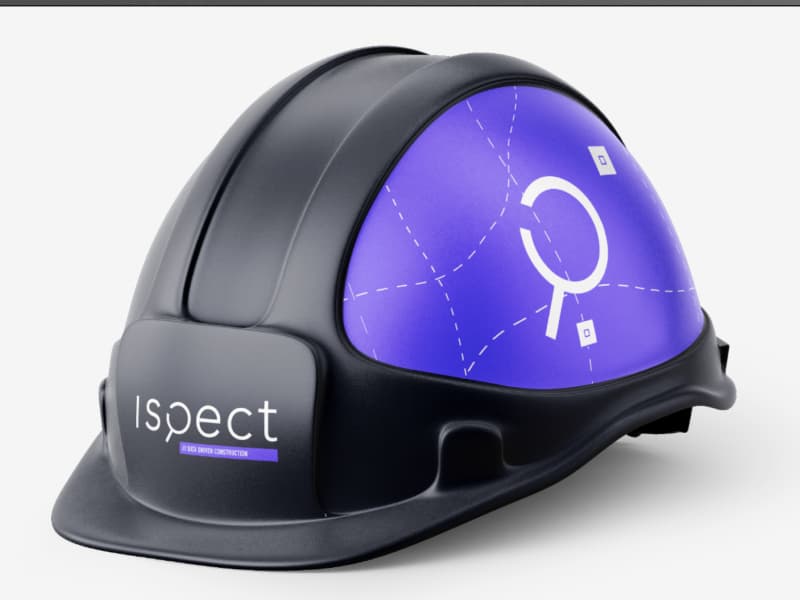
  • iSpect on hard hat
    Hard hats usually cannot change color — branding works within the rules
  • iSpect platform logo application
Artifacts